Brief: To showcase the organisation's approach to wellbeing for workers in large blue-collar industries (garment and auto component parts manufacturing)
Objectives:
Objectives:
1). Disseminate knowledge on the non–zero-sum nature of GBL’s research and data.
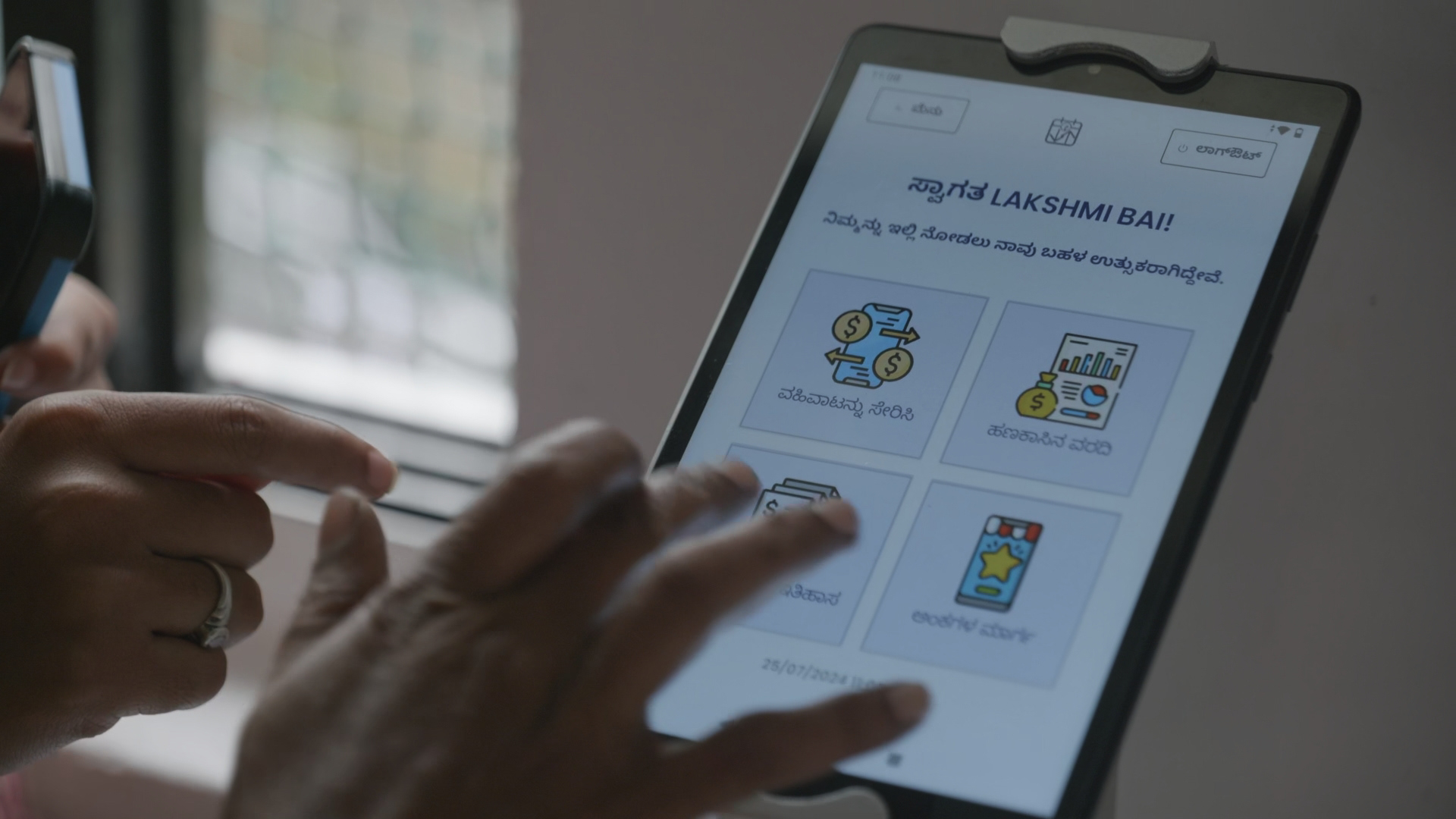
2). Showcase programs that support workers with both tangible impacts (wages, financial literacy, skilling) and intangible impacts (mental health, security, accessibility).
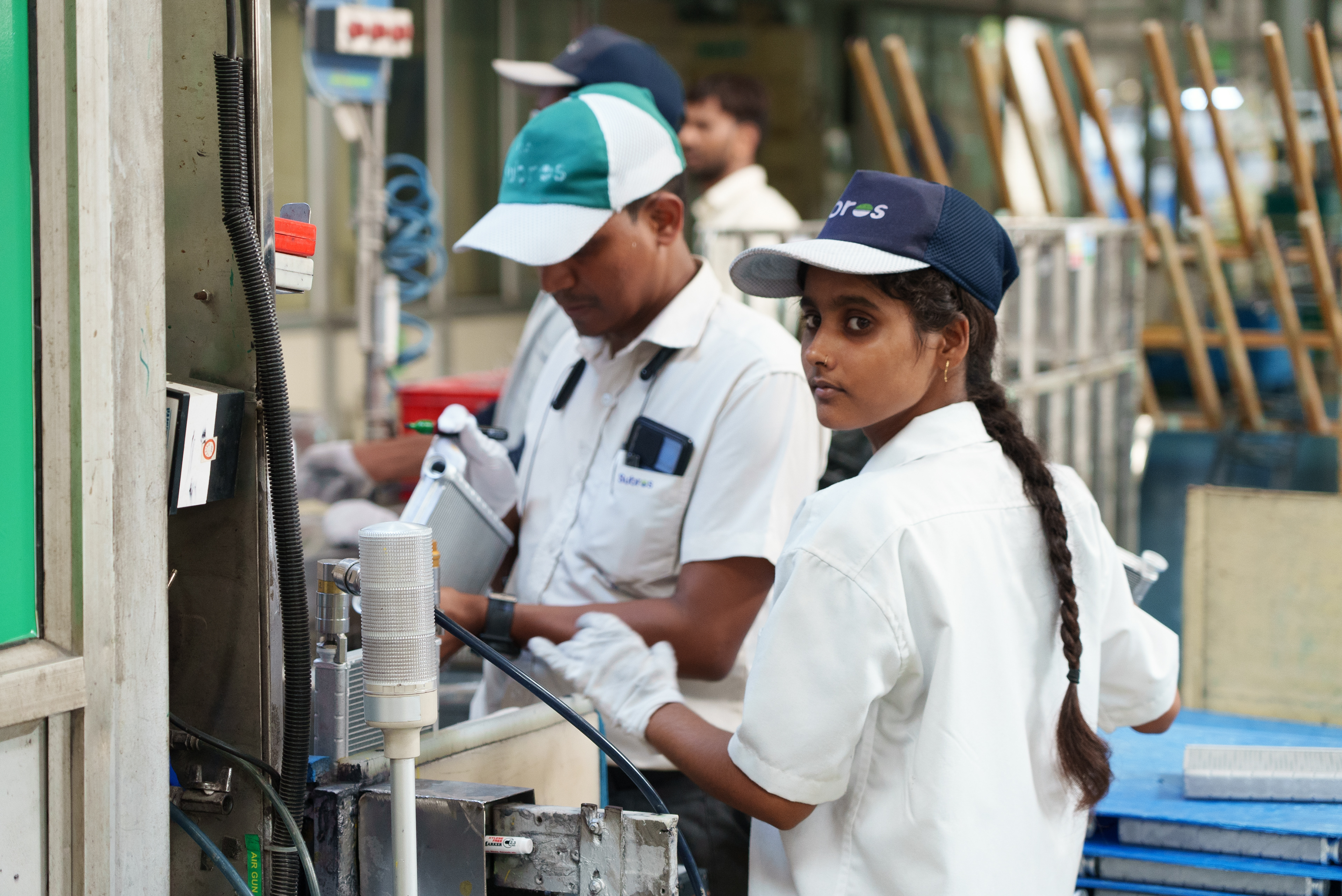
3). Highlight the need to increase women’s participation in the auto sector.
Key Themes & Messages:
1). Worker wellbeing is essential for productivity, job satisfaction, and overall quality of life.
2). GBL’s approach focuses on understanding workers and addressing their unique needs and challenges.
3). Effective change happens through collaboration with large private-sector employers.
Approach:
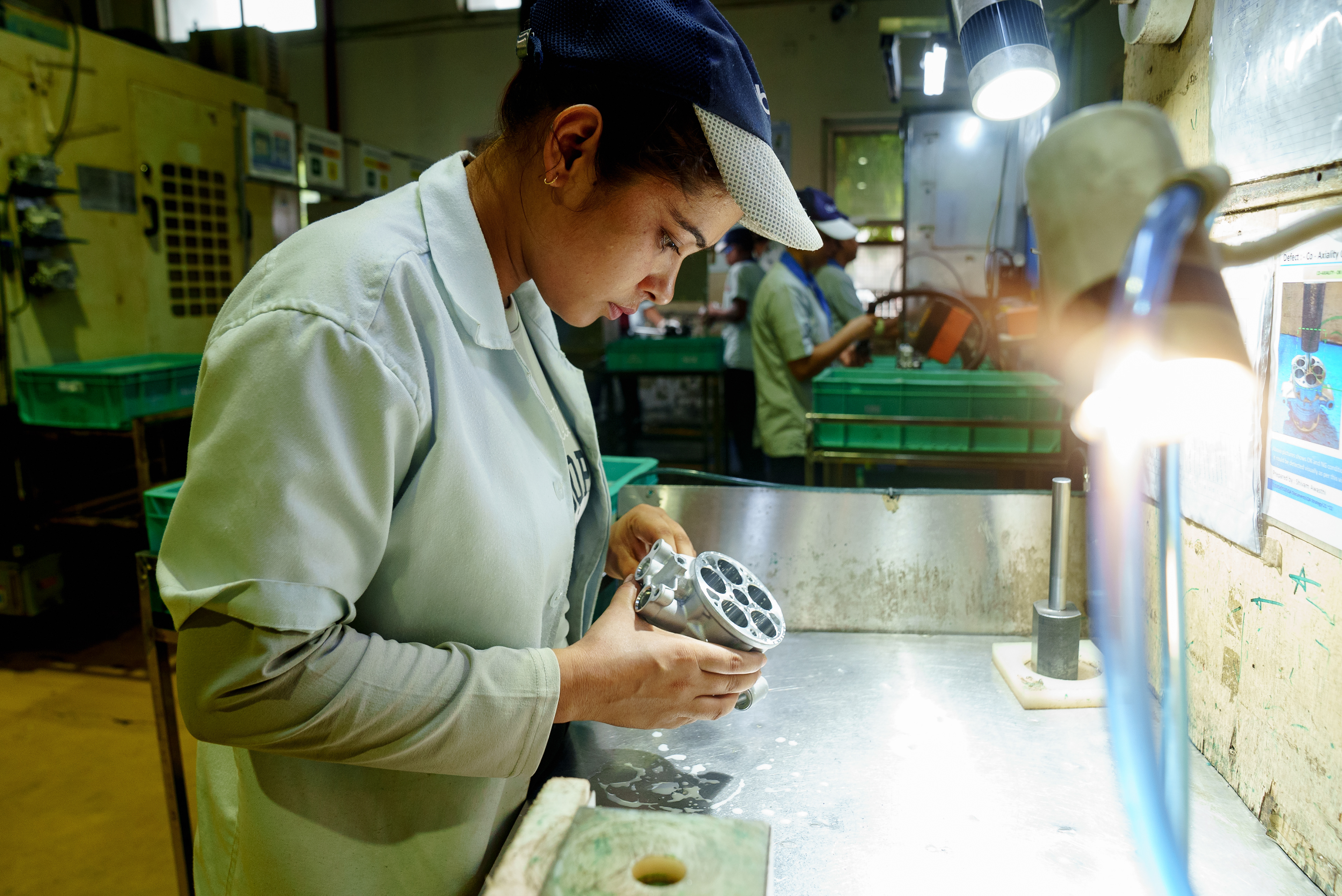
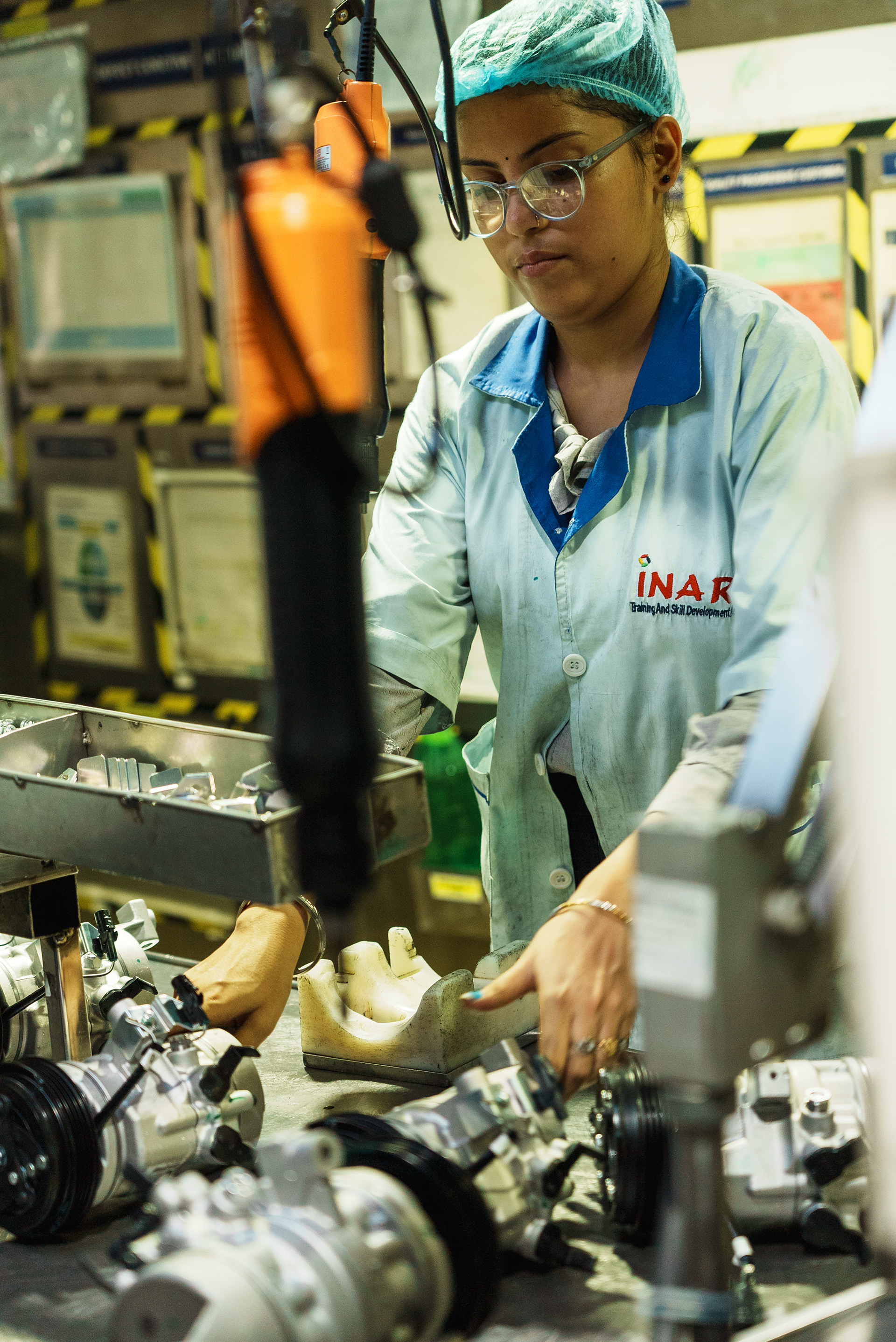
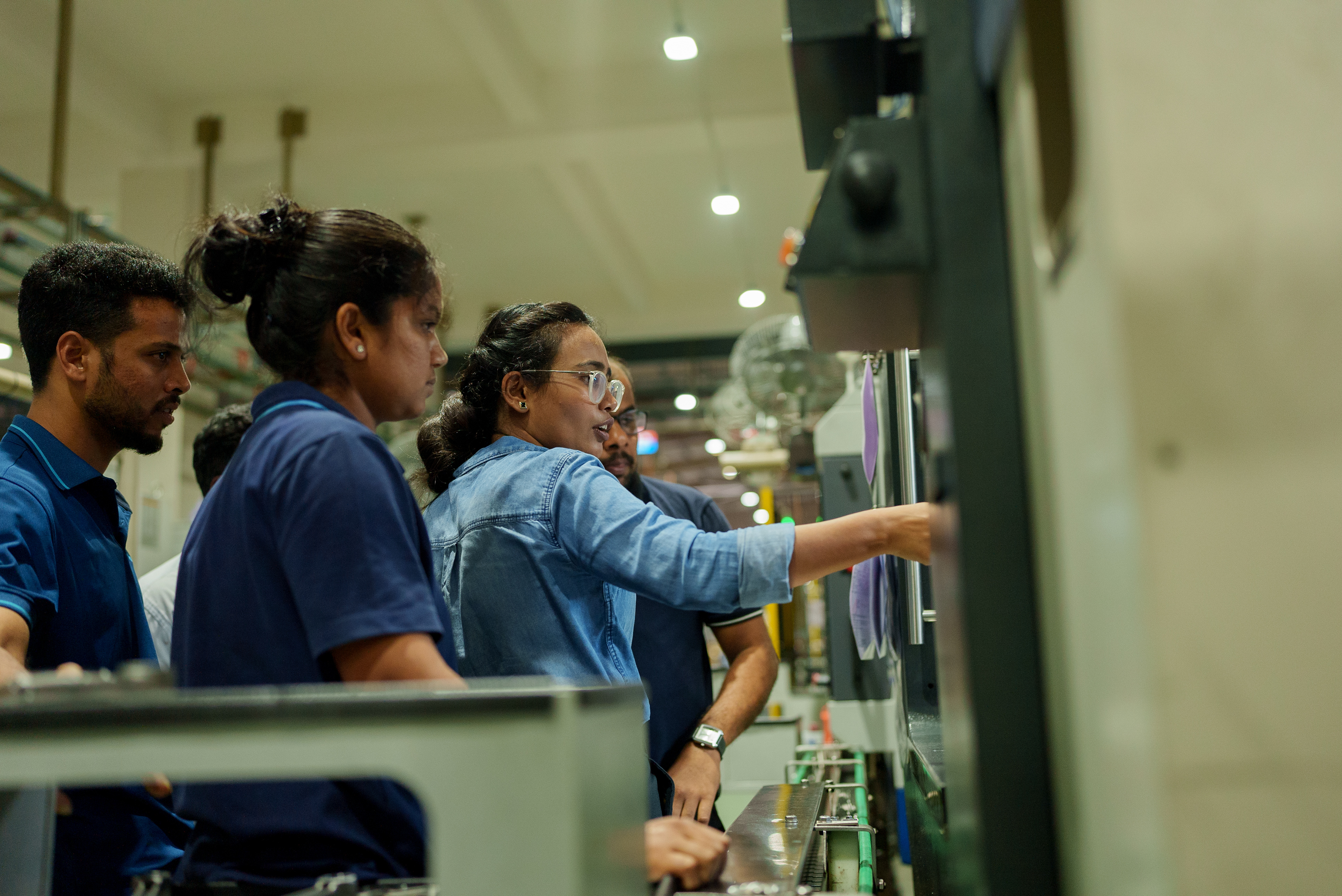
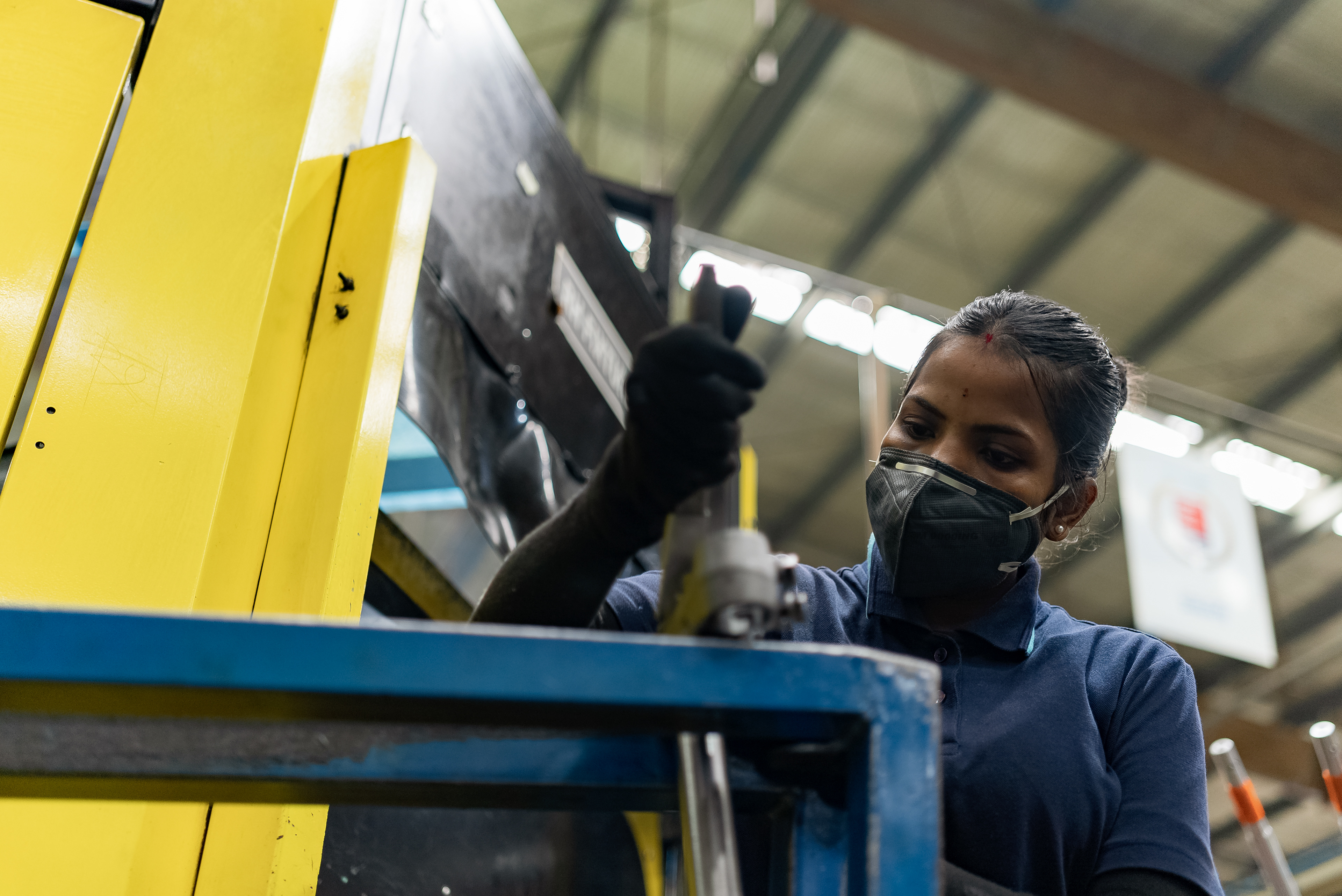
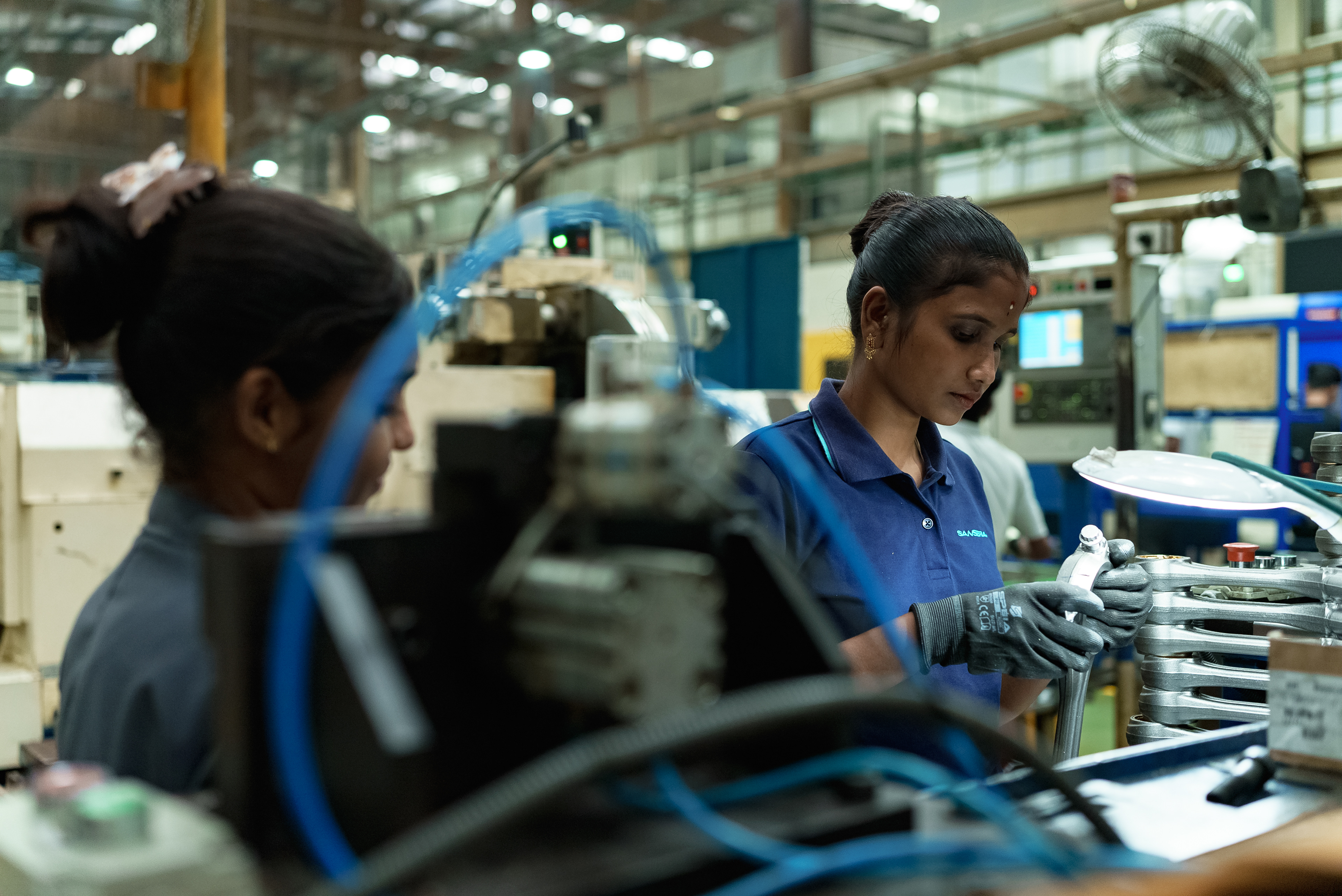
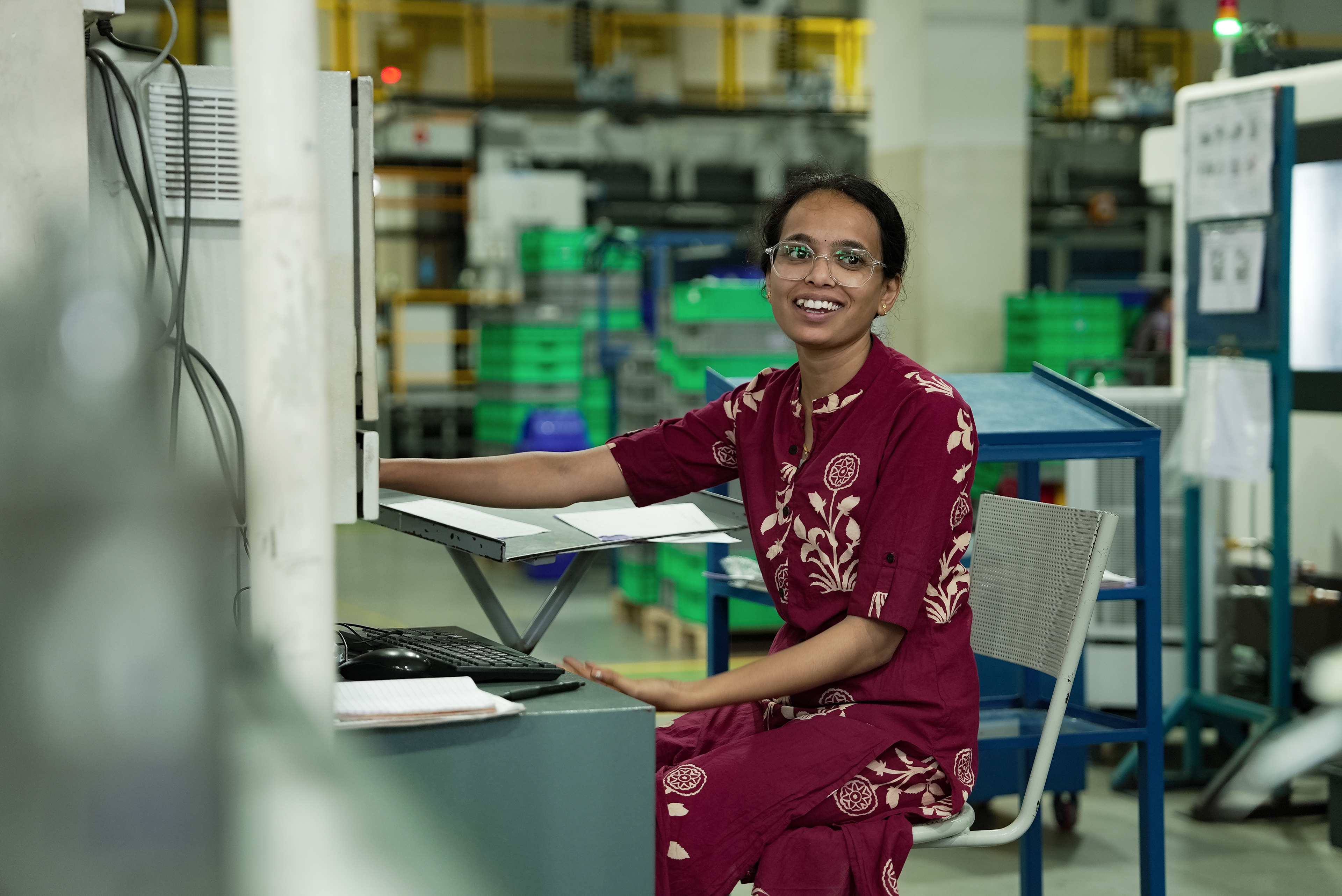
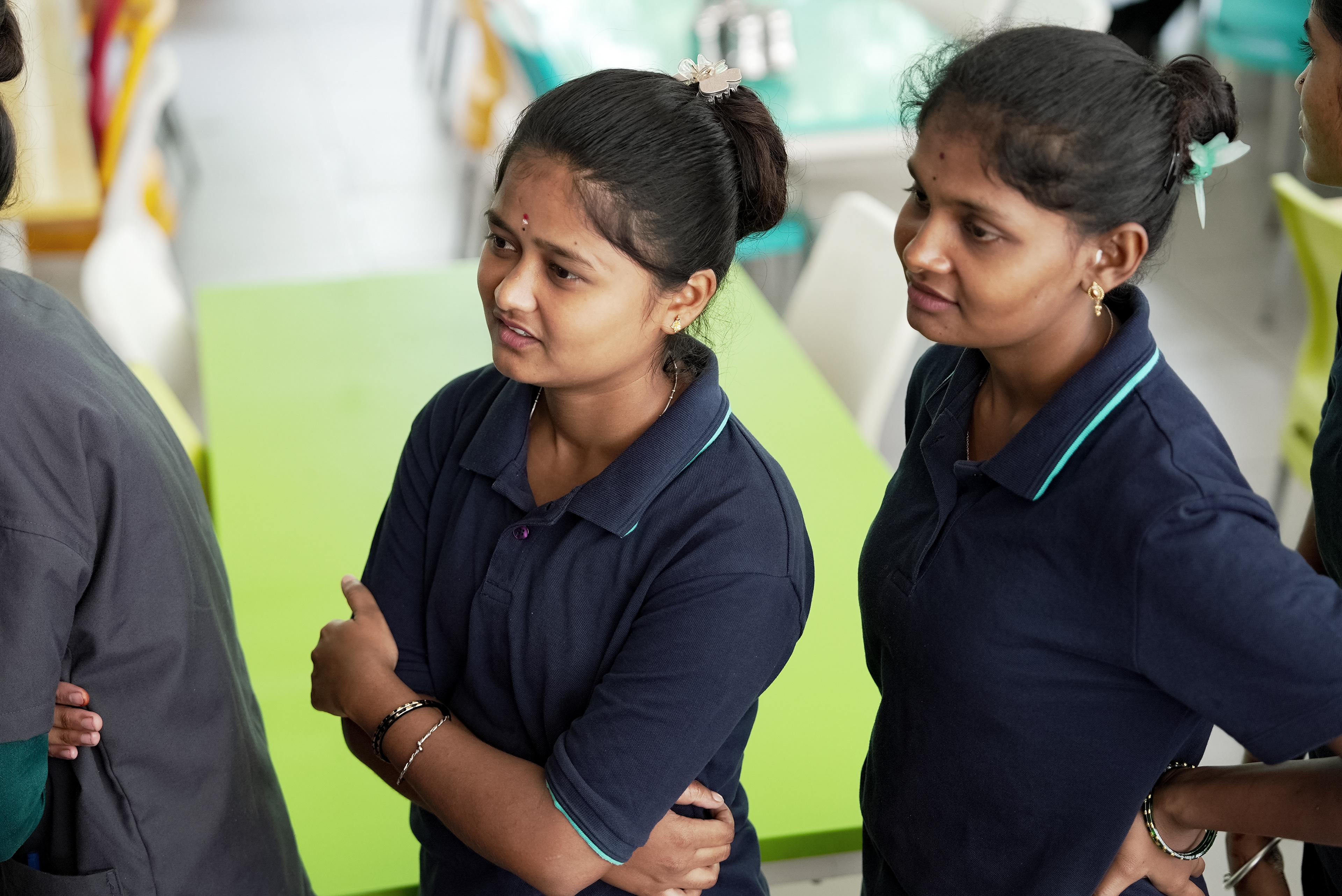
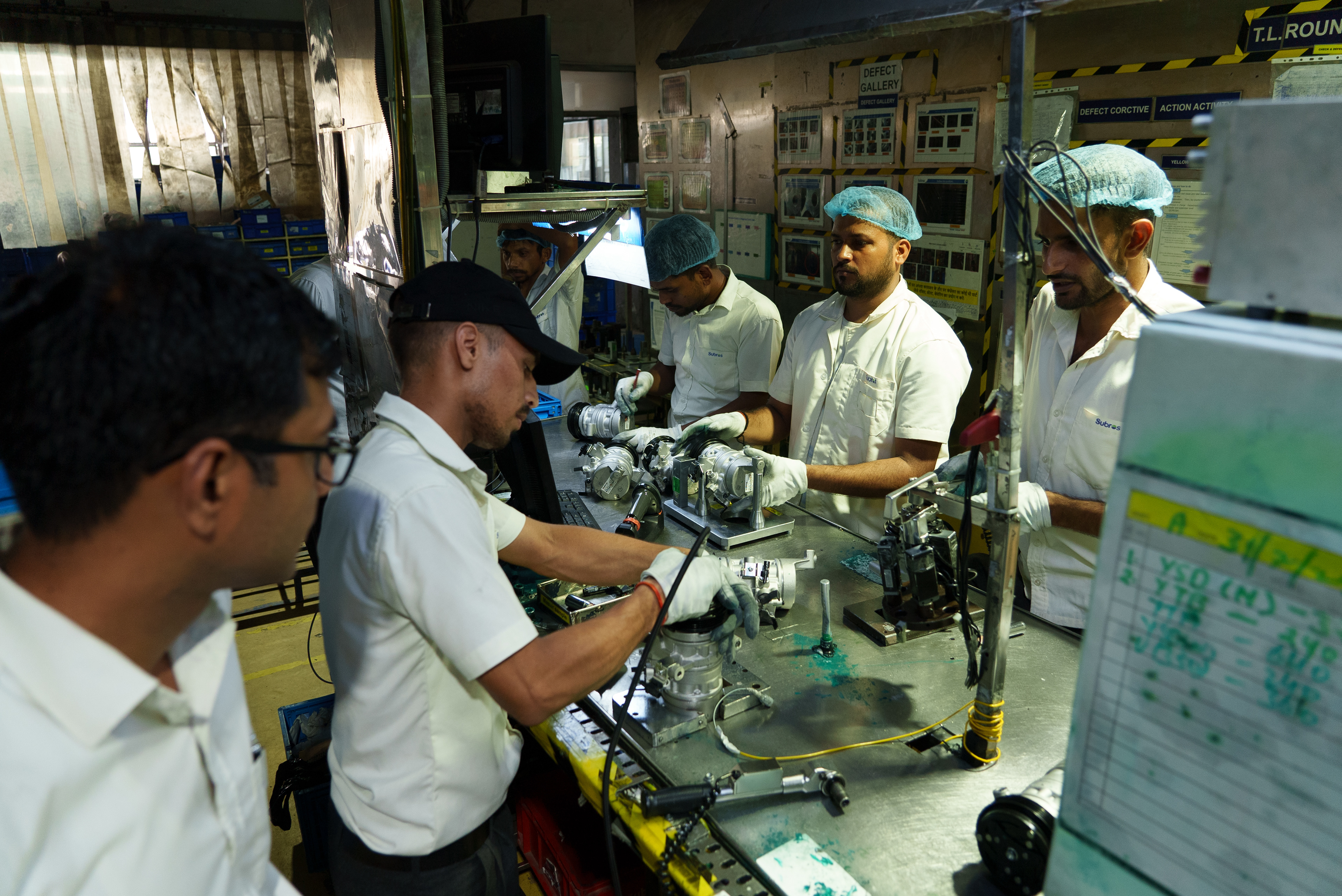
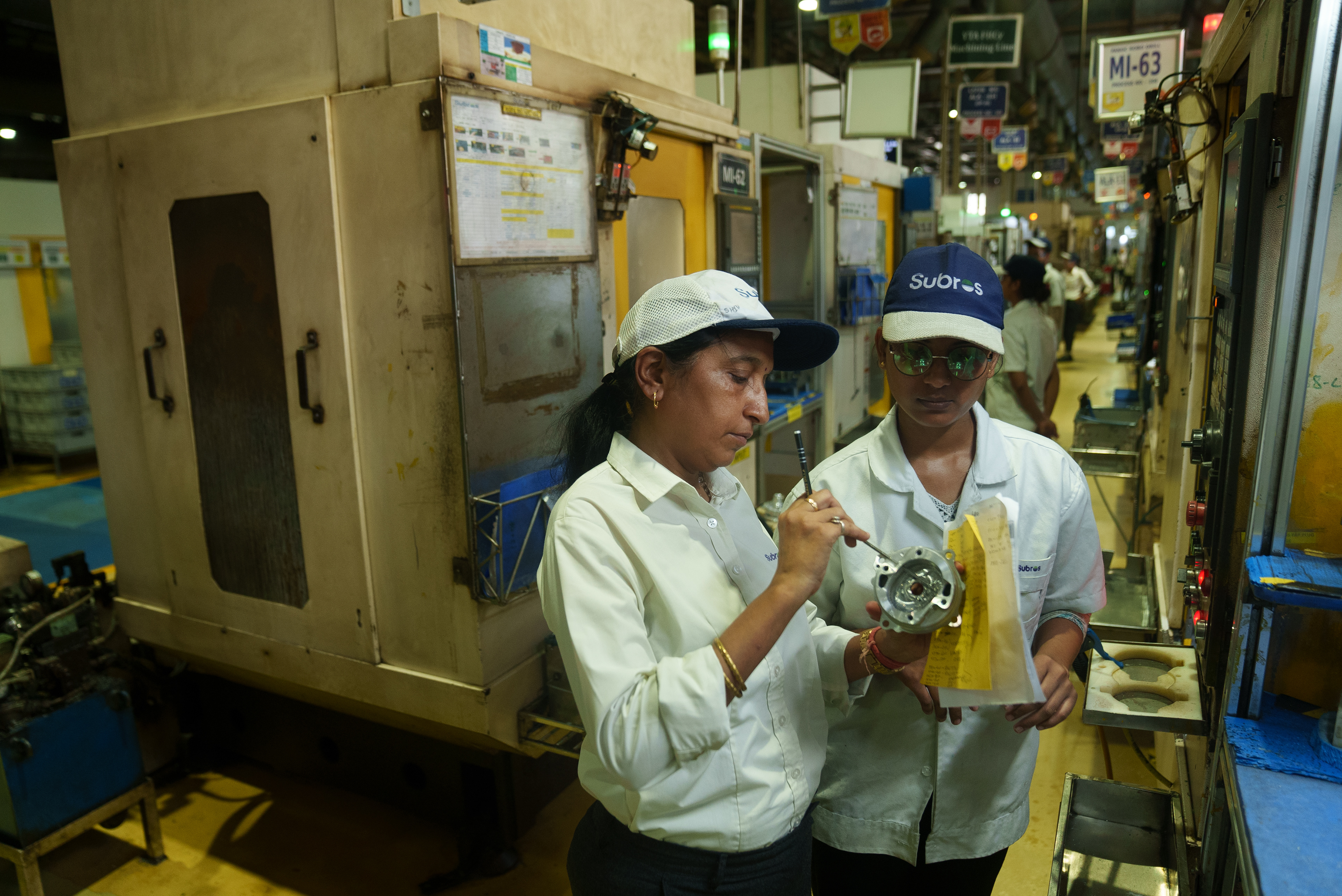
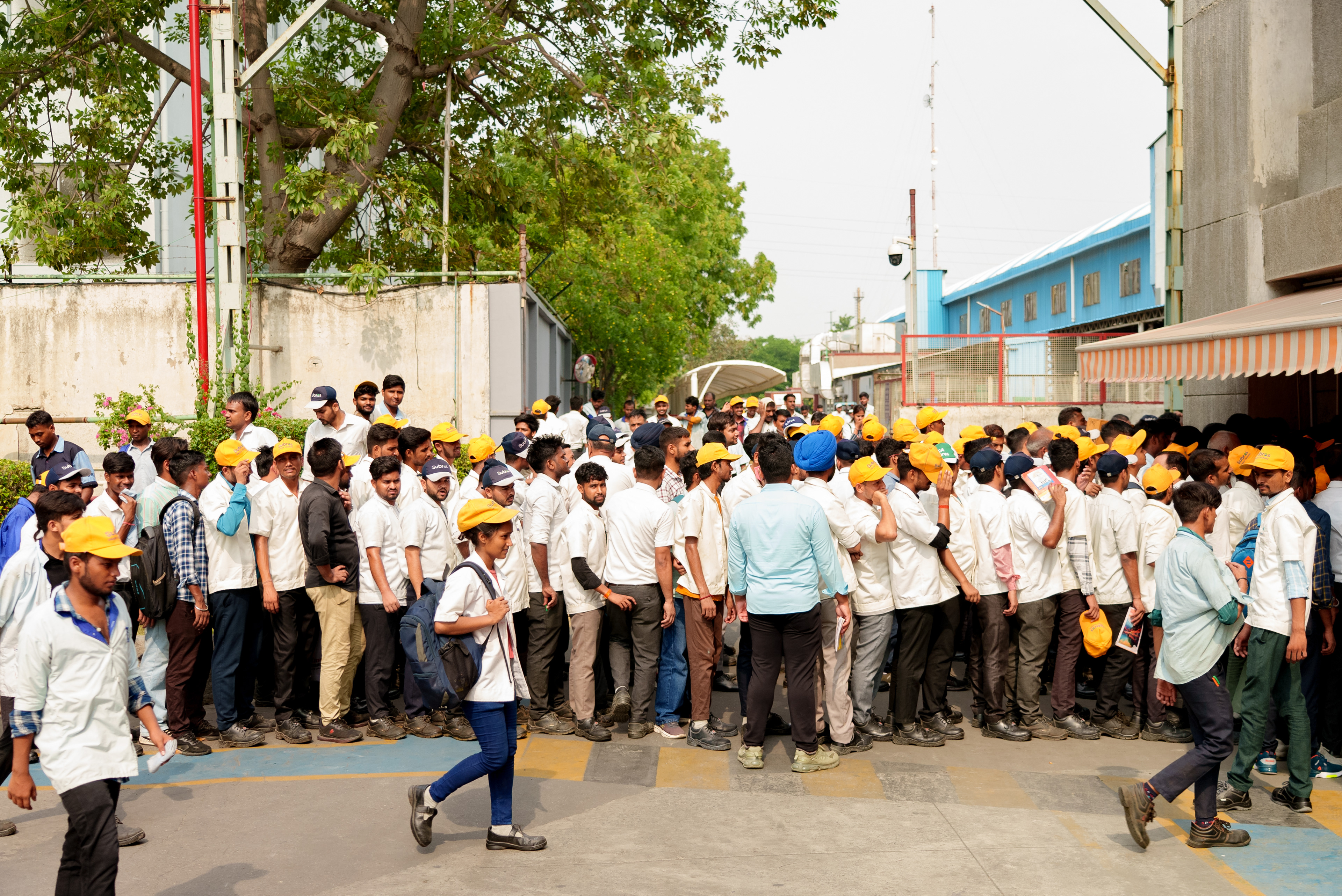
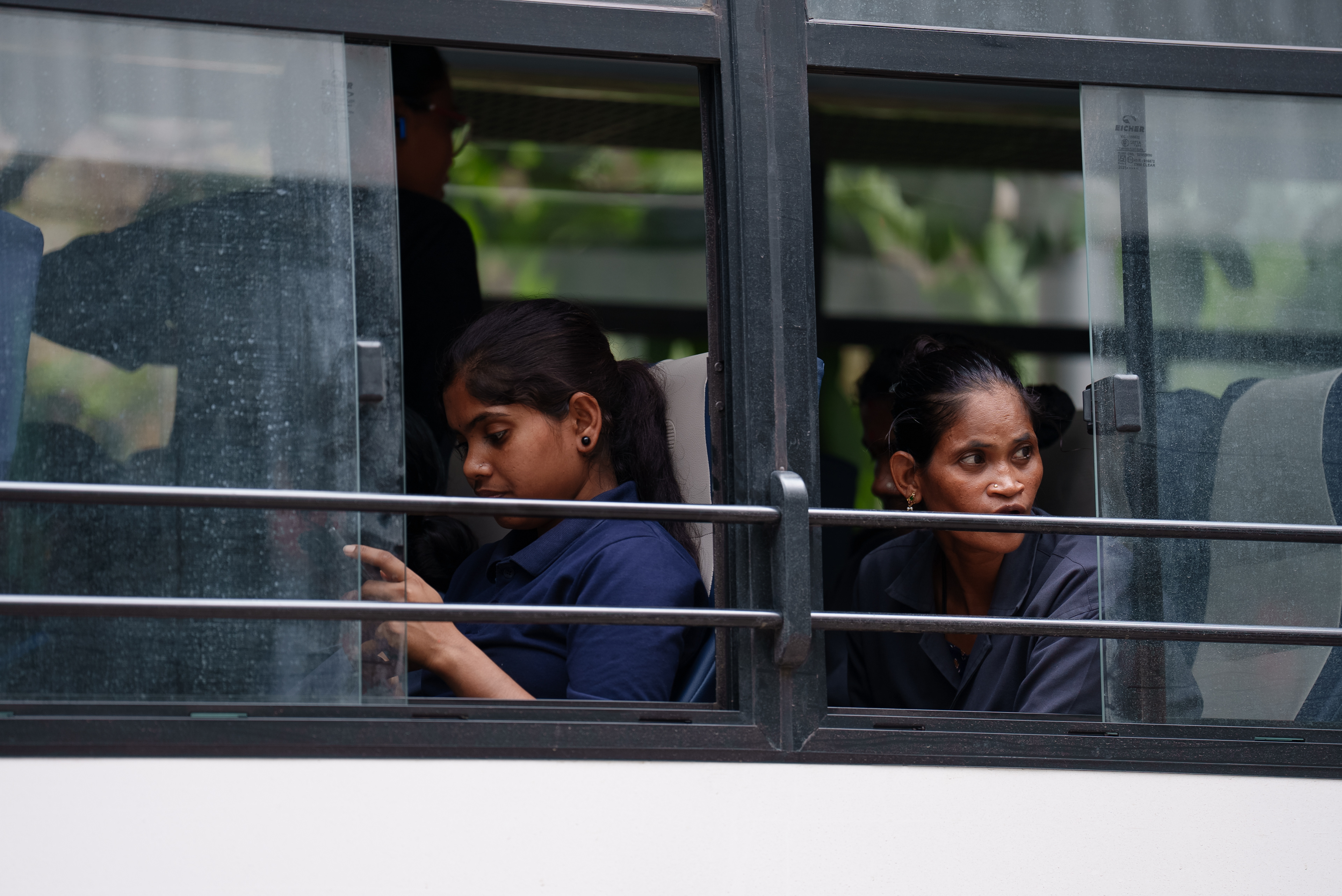
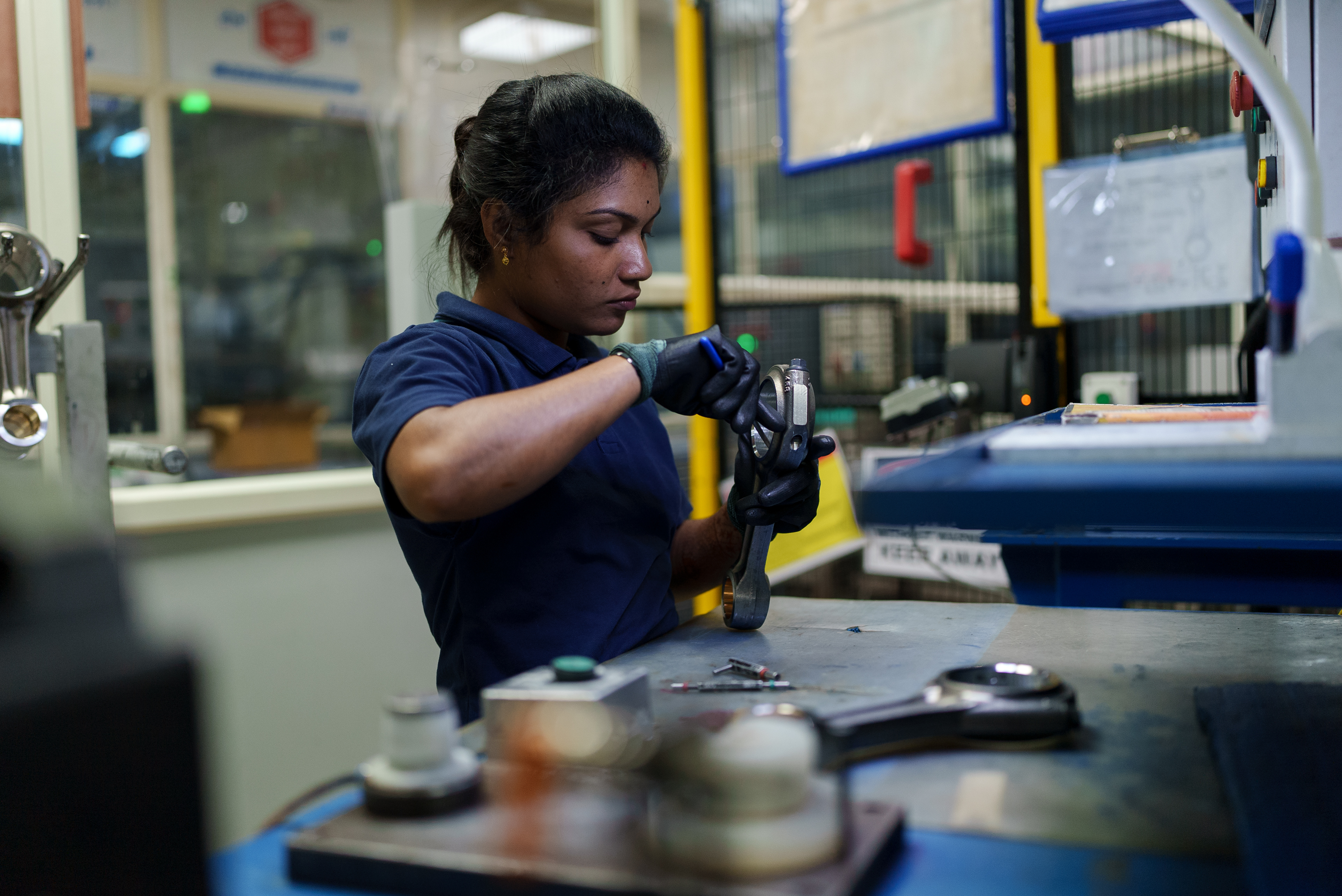
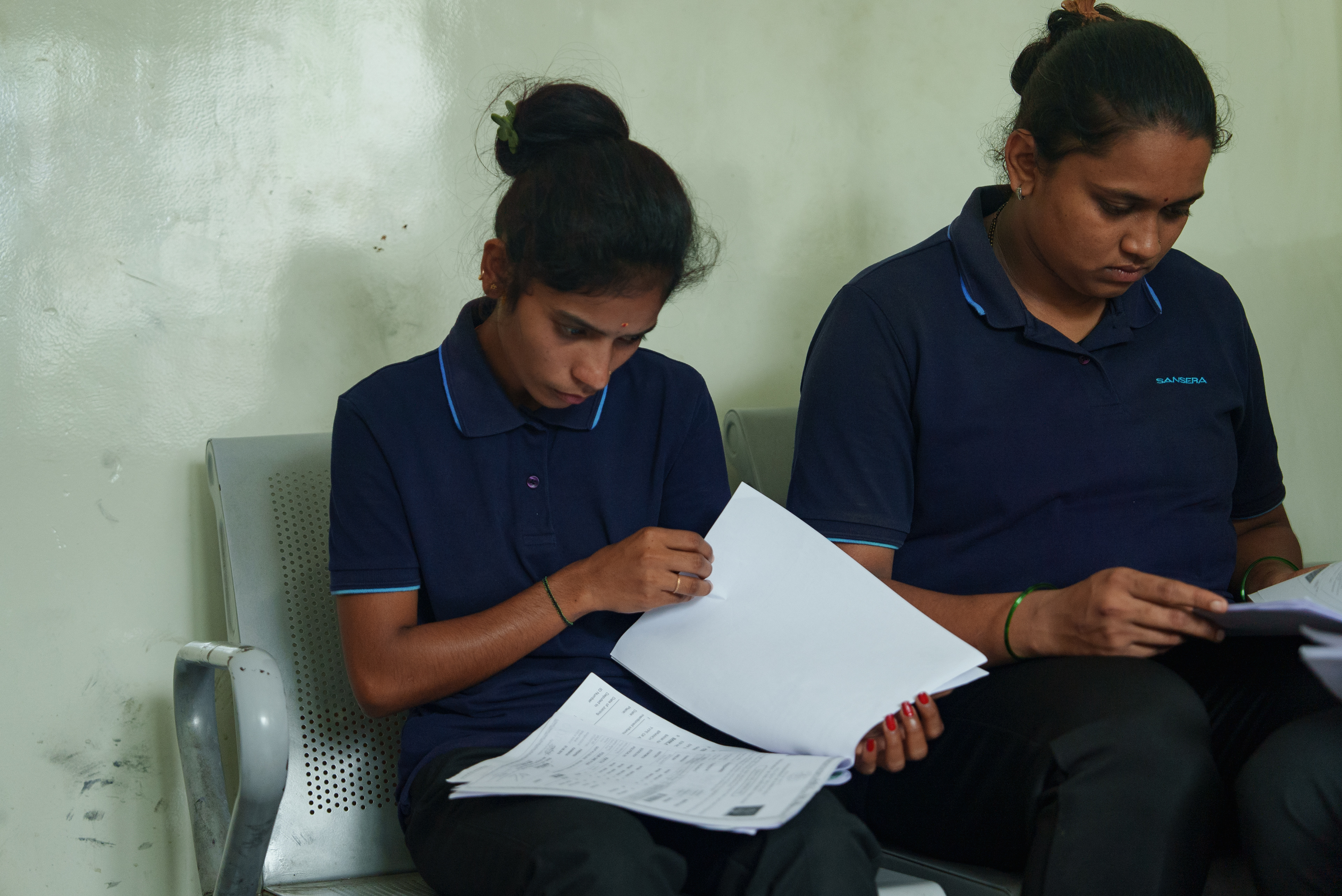
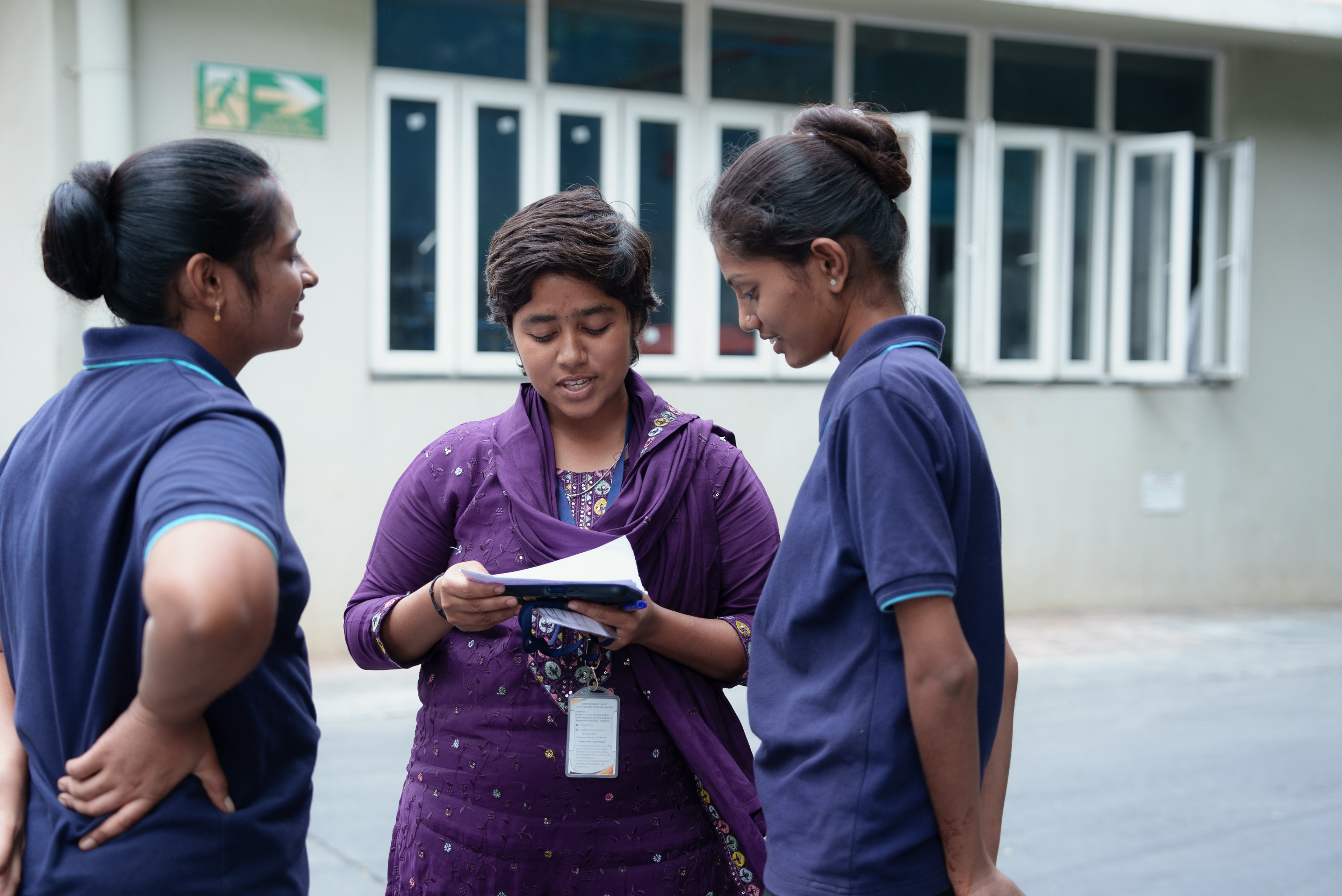
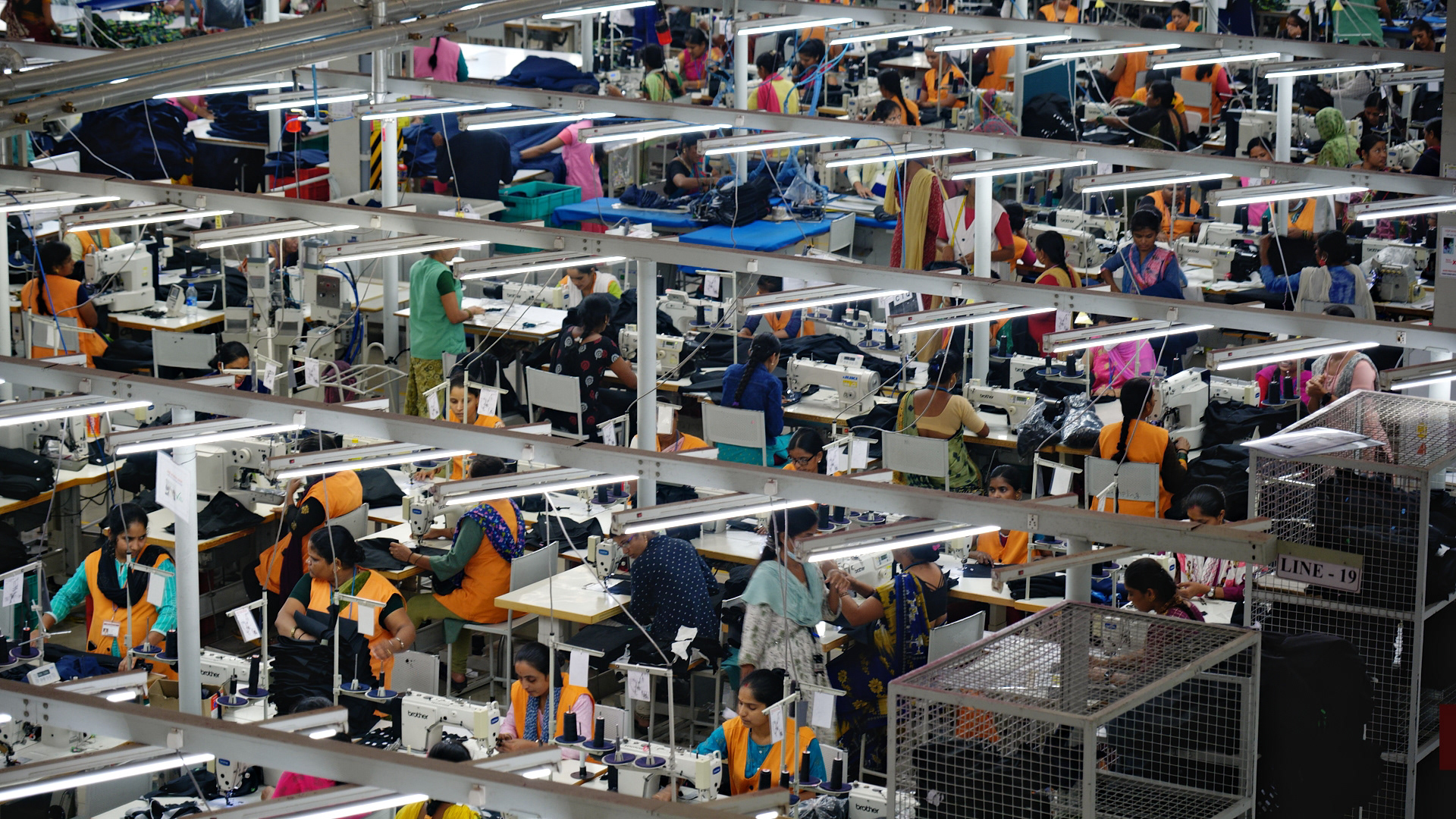
We structured the film around the start and end of the factory day to immerse viewers in the rhythm of work and to show how the flow of production connects with the lived realities of women on the floor. This framing allowed us to reflect both the physical labor and the continuous pace of goods being produced, while giving the narrative a natural arc.
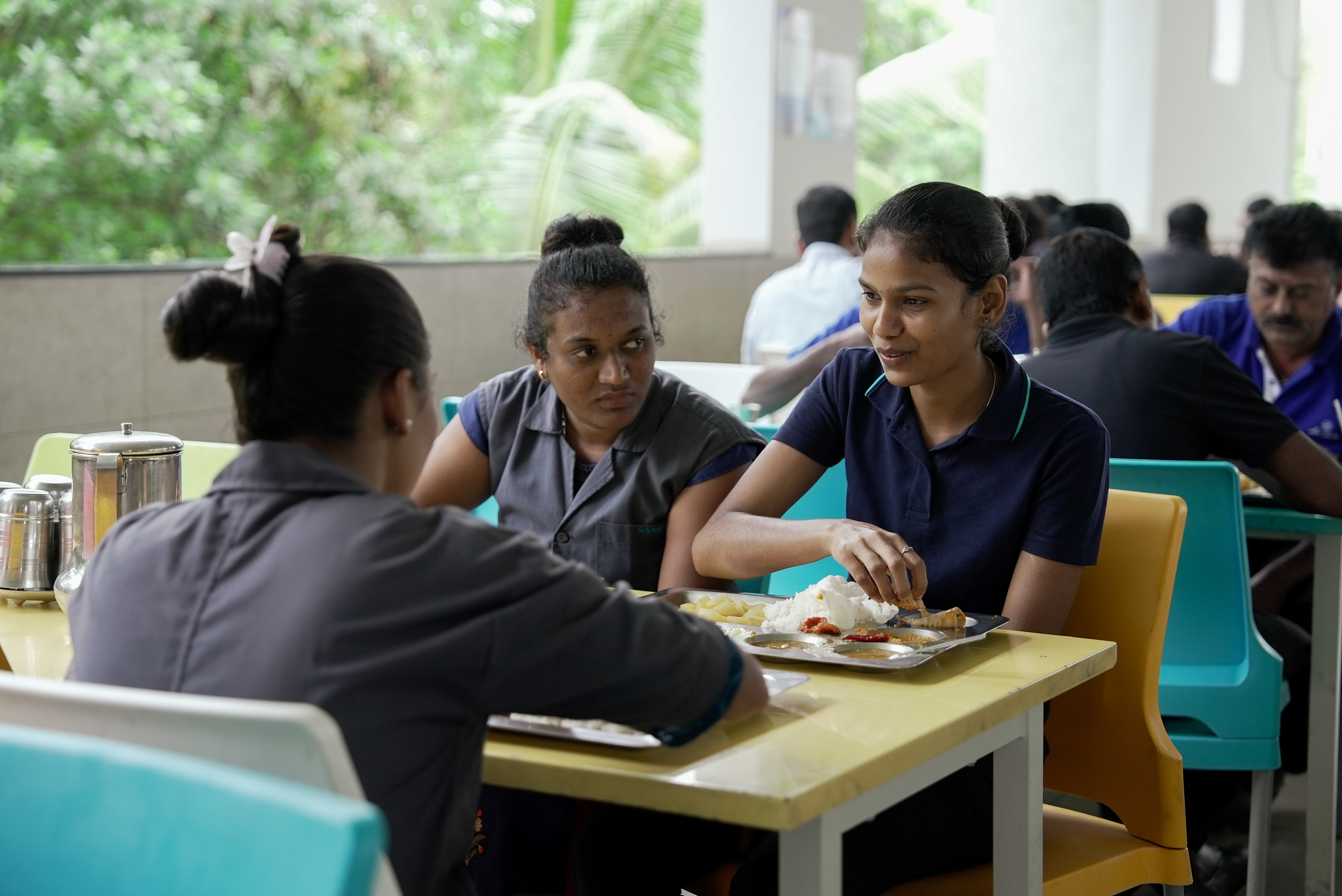
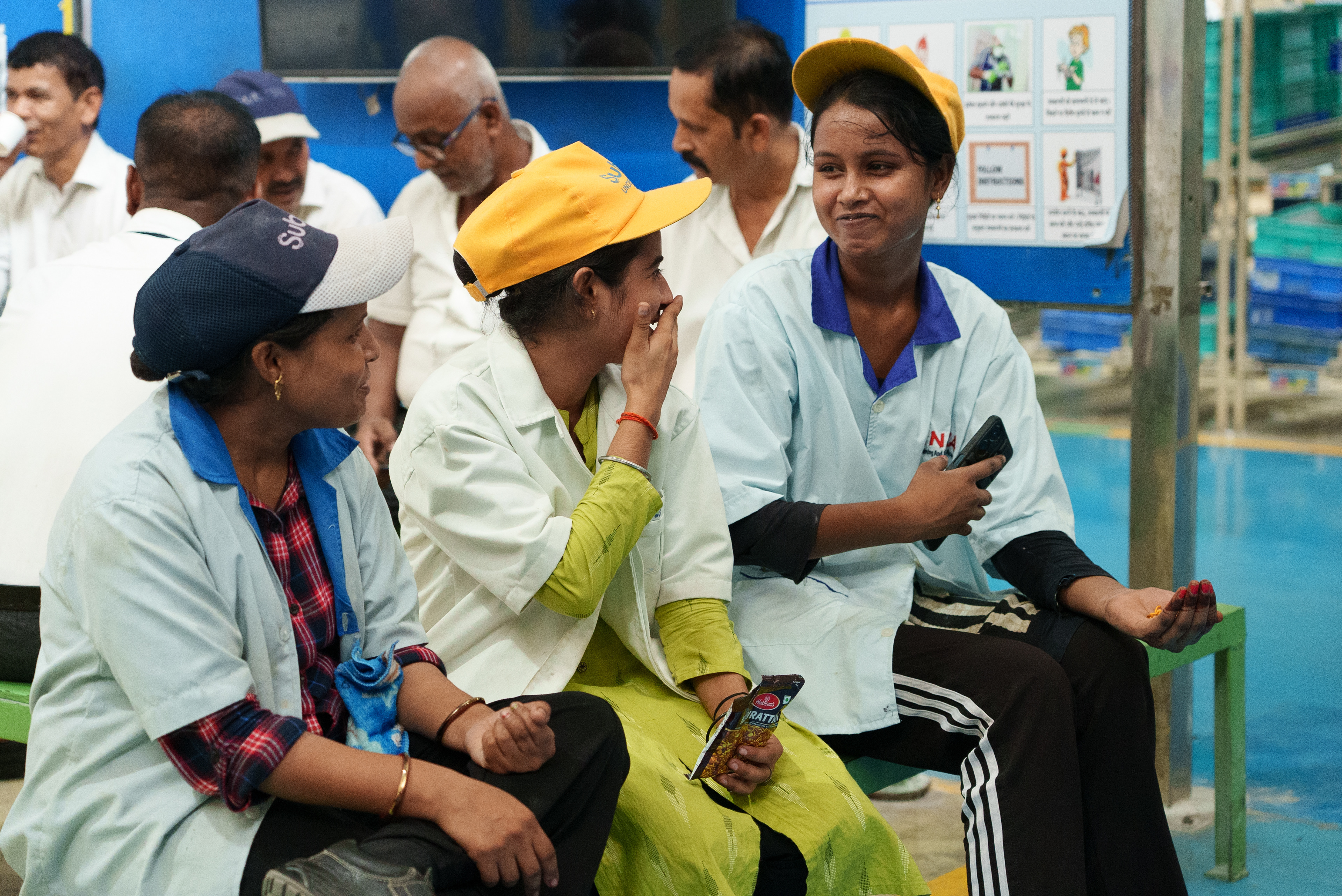
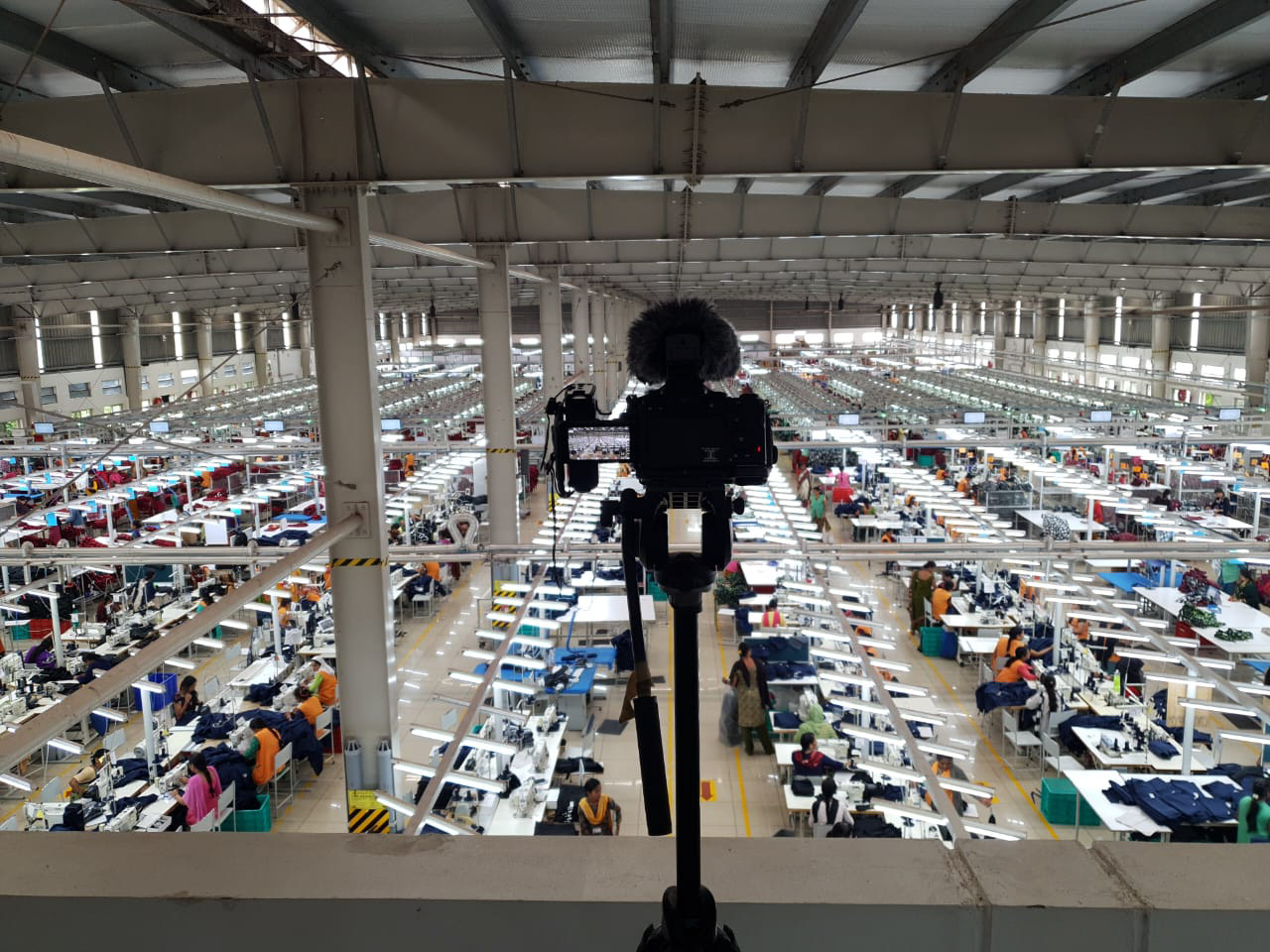
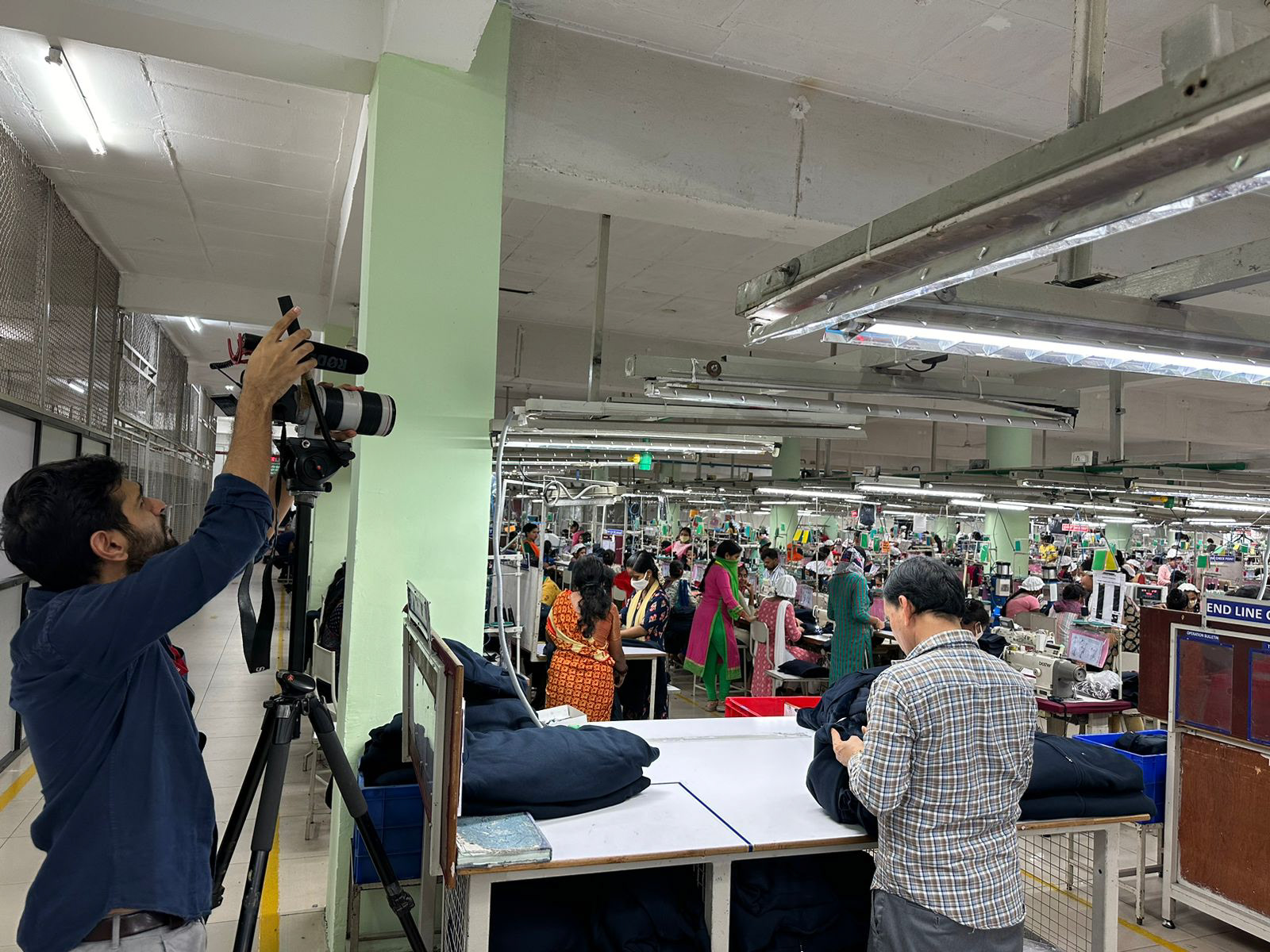
The project was produced by a two-member crew. The initial idea from the client was to film worker interviews, but we decided against it since individual voices would not be representative of the workforce and would lengthen the video beyond the brief. Instead, we focused on observation — documenting roles, movement, breaks, and the environment itself.
The project was produced by a two-member crew. The initial idea from the client was to film worker interviews, but we decided against it since individual voices would not be representative of the workforce and would lengthen the video beyond the brief. Instead, we focused on observation — documenting roles, movement, breaks, and the environment itself.
Access was negotiated through the factory HR head, and the shoot was carried out under clear protocols. We filmed extensively across five days, giving us flexibility to align visuals with the voiceover developed by GBL’s team.
The edits were reviewed by multiple stakeholders and we had to comply with guidelines which was both a constraint and an important condition of production.
The film ultimately served a dual purpose: as a tool for GBL to pitch to funders and build partnerships, and as a piece that could also be shared publicly. It was received well, demonstrating how a grounded visual approach could support both advocacy and outreach.
Roles:
I led client management, designed the visual narrative, shot and edited the film, and brought in a sound designer to create a factory soundscape. Manush John was involved from an early stage in the development of the film and also came on as second camera (gimbal shots) and assisted on the edit.
Still Photography